
Understanding the Basics of Casino Gambling
The world of casino gambling is often shrouded in misconceptions and myths that can discourage new players from exploring their interests. At its core, casino gambling is based on games of chance designed to offer entertainment with the possibility of winning money. For those interested in seeking excitement and variety, the best nongamstop casinos uk can provide a unique experience. Understanding this fundamental principle helps dispel the notion that gambling is merely an avenue for quick riches. Instead, it can be viewed as a leisure activity that carries risk, much like any other form of entertainment.
Many people erroneously believe that casino games are rigged or that the house always has an unfair advantage. While it’s true that casinos are designed to ensure a profit, the games have established odds, and players can employ strategies to enhance their chances of winning. Knowledge of game mechanics and statistical probabilities is paramount, and many seasoned players take advantage of this to make informed betting decisions, which can significantly improve their overall experience in the casino.
Moreover, the idea that gambling is solely about luck is another myth that needs addressing. In many casino games, such as poker or blackjack, skill plays a vital role in determining the outcome. Experienced players can analyze patterns, manage their bankroll effectively, and make strategic decisions that can lead to success over time. This aspect of skill versus luck is critical to understanding the dynamics of casino gambling and why it attracts both casual players and serious enthusiasts alike.
The Myth of Changing Odds
One of the most persistent myths in casino gambling is the belief that odds can change based on recent outcomes. This misconception can lead players to engage in behaviors like “chasing losses,” where they believe that a win is ‘due’ after a string of losses. In reality, each outcome in games of chance is independent. For instance, in a game like roulette, the odds remain constant, regardless of previous spins. This understanding is crucial for maintaining a clear perspective on gambling.
Gamblers often fall prey to the “hot and cold” game theory, thinking they can predict future results based on past outcomes. Such beliefs stem from cognitive biases where players seek patterns in randomness. This can lead to poor decision-making, as players may place larger bets in the hope of recouping losses. It is essential for new players to understand that the only strategic approach is to treat each game independently and manage their bets based on set limits rather than perceived patterns.
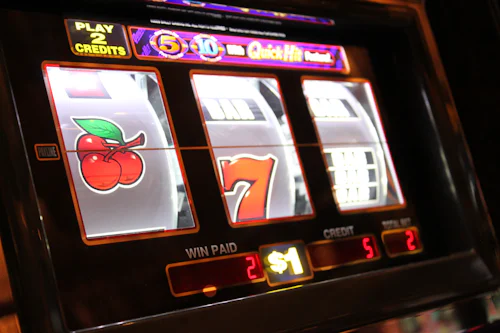
Additionally, the myth of changing odds often leads to the dangerous notion of “the gambler’s fallacy,” where players believe that past events influence future results. This psychological trap can escalate quickly, leading to an irrational commitment to winning back lost money. To combat these beliefs, players should focus on responsible gambling practices, remain aware of their limits, and recognize that every spin, flip, or draw is an isolated event that requires a fresh perspective.
Chasing Losses and the Allure of Big Wins
The notion that one can recover losses through further gambling is another pervasive myth that can have negative consequences. Many gamblers enter a casino with the mindset that they can win back what they lost in previous rounds. This compulsion often leads to a dangerous cycle where individuals place larger bets in an effort to “chase” their losses. Instead of enjoying the experience, they risk exacerbating their financial situation and increasing stress.
This psychological phenomenon can be attributed to several factors, including the emotional highs associated with wins and the social atmosphere of casinos that often amplify the urgency to continue betting. It’s crucial for players to recognize their limits and understand the importance of setting a budget before they start gambling. Responsible gaming practices advocate for individuals to walk away when they reach their predetermined loss limit to foster a healthier relationship with gambling.
Furthermore, the myths surrounding the allure of big wins can paint an unrealistic picture of what gambling entails. While stories of staggering jackpots are enticing and widely broadcasted, they represent a small fraction of the gambling experience. Understanding that big wins are rare and that most players leave with less than they came with can encourage a more grounded approach to gambling—one focused on entertainment rather than solely on profit.
The Social Stigma of Casino Gambling
Casino gambling often carries a social stigma that suggests it attracts individuals with poor impulse control or financial irresponsibility. This stereotype can prevent those who enjoy gambling responsibly from engaging in discussions about their experiences. In reality, many individuals approach gambling as a form of entertainment, similar to dining out or going to a concert. By recognizing gambling as a legitimate leisure activity, society can begin to address the misconceptions and promote responsible gambling practices.

In many cultures, gambling is intertwined with social events, often celebrated as a way to bond with friends and family. Casinos offer not just gaming opportunities, but also dining, entertainment, and social interaction, creating a multifaceted experience. Those who understand this aspect of gambling can appreciate its role in recreation and community, helping to alleviate the stigma associated with it.
Moreover, the proliferation of online casinos has made gambling more accessible, leading to discussions about responsible practices and the importance of regulation. These platforms often provide resources for players to monitor their gambling habits, promoting a healthier and more informed approach to gaming. As society evolves, it becomes crucial to reshape the narrative around gambling and emphasize the importance of educated choices over stigmatization.
Exploring Resources for Responsible Gambling
In the ever-evolving landscape of casino gambling, there are various resources available to promote responsible gaming and educate players about the truths behind common myths. Organizations dedicated to gambling awareness provide materials and support for individuals looking to understand the risks associated with gambling. These resources can empower players to make informed decisions while enjoying their gaming experience.
Websites and community outreach programs offer insights into responsible gambling practices, including budgeting and effective loss management. These platforms often include interactive tools that help players set personal limits, track their gambling habits, and recognize signs of problematic behavior. By utilizing these resources, players can approach gambling in a more balanced and responsible manner.
Additionally, many casinos and online platforms are proactive in promoting responsible gambling initiatives. They often collaborate with regulatory authorities to ensure that players have access to resources that foster safer gaming environments. By supporting these initiatives, players contribute to an overall culture of responsibility that benefits both individuals and the industry as a whole, helping to dispel myths and encourage a healthier relationship with gambling.