
Understanding Responsible Gambling
Responsible gambling is an essential concept that emphasizes making informed and mindful choices while engaging in casino activities. It involves understanding the probabilities involved in games, recognizing the risks of gambling, and being aware of personal limits. For those interested in promoting responsible gaming, you can learn more about practices that help players recognize that gambling should be viewed as a form of entertainment rather than a means of making money. This shift in mindset can significantly reduce the likelihood of gambling-related issues.
For many, the thrill of the casino lies in the excitement of potential winnings. However, it’s important to remember that each game has odds that favor the house. By understanding these probabilities, players can make better decisions about their bets and how long to stay in the game. Knowledge about game rules, payout structures, and betting limits empowers players, allowing them to enjoy their time without falling prey to misconceptions that could lead to irresponsible behavior.
Moreover, part of responsible gambling is acknowledging personal emotions and behaviors when gambling. It’s essential to recognize signs of problem gambling, such as gambling more than intended, chasing losses, or neglecting responsibilities. Setting time and money limits before entering a casino helps create a controlled environment, promoting healthier gambling habits. By establishing these boundaries, individuals can enjoy the experience without jeopardizing their financial and personal well-being.
Setting Limits and Sticking to Them
Before stepping into a casino, it’s crucial to establish clear limits on how much money and time you are willing to spend. This might include deciding the maximum amount of money to bring and ensuring it is an amount you can afford to lose. Consider allocating a specific timeframe for your gambling activities, as this creates a structured approach to your visit. By setting these parameters, you can enjoy the casino’s offerings without risking financial strain or excessive time away from other responsibilities.
Additionally, sticking to your limits is critical for maintaining a responsible gambling mindset. It’s easy to get caught up in the excitement and potentially lose track of time or money. Consider using physical cues, such as wearing a watch or setting alarms on your phone, to remind yourself when it’s time to leave or how much you’ve spent. If you find yourself reaching for more cash or extending your stay beyond your planned timeframe, take a moment to reassess your situation and refocus on your initial limits.

Being disciplined about your gambling limits also requires reflection after your gaming session. Take time to evaluate how your time and money were spent. Did you stick to your limits? Did you feel any emotional distress during or after your gambling? This post-gambling analysis is a valuable practice that can help identify patterns in your behavior and improve your strategies for future visits.
Recognizing Signs of Problem Gambling
Even with the best intentions, some individuals may find themselves developing problematic gambling behaviors. Recognizing the signs early can help individuals seek help before issues escalate. Common indicators include feeling a compulsion to gamble regardless of financial status, using gambling as an escape from personal problems, or experiencing anxiety when not gambling. Understanding these warning signs can help individuals better navigate their gambling activities and seek assistance when necessary.
Another significant sign of problem gambling is the tendency to chase losses. When individuals consistently try to recover lost money through further gambling, it often leads to greater financial and emotional distress. Accepting that losses are part of any game is essential, and chasing those losses can create a dangerous cycle of gambling. Identifying this behavior is a crucial step in promoting responsible gambling.
If you or someone you know exhibits signs of problem gambling, it’s important to reach out for support. Many organizations and helplines offer guidance and assistance to those struggling with gambling issues. Talking to friends or family members can also provide additional perspective and support, helping individuals take the necessary steps toward more responsible gambling habits.
Finding Balance Between Gambling and Other Activities
To maintain responsible gambling habits, balancing time spent in the casino with other activities is essential. Gambling should be just one of many enjoyable activities in life, not the sole focus. Diversifying interests can contribute to a healthier lifestyle, ensuring that entertainment remains varied and fulfilling. Engaging in hobbies, socializing with friends, and pursuing physical activities can provide alternative sources of enjoyment and help prevent gambling from taking over one’s life.
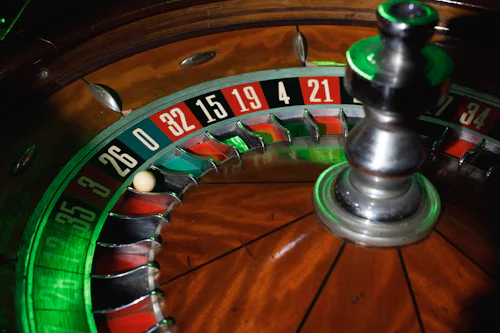
Moreover, find enjoyable activities that do not involve risk or the potential for loss. Activities such as cooking, attending shows, or participating in sports can offer the same thrill and excitement without the financial stakes. By focusing on a broader range of experiences, individuals can create a more balanced lifestyle that promotes well-being and reduces the likelihood of developing gambling-related issues.
It can also be helpful to take regular breaks when gambling. Stepping away can give players the chance to reassess their mindset and spending, allowing them to return refreshed and more focused. These breaks can prevent burnout and emotional fatigue from prolonged gambling, ultimately promoting more enjoyable and responsible gaming experiences.
Discovering Responsible Gambling Resources
Taking responsible gambling seriously is vital, and it’s reassuring to know that there are numerous resources available for those seeking support. Many casinos provide information on responsible gambling practices and have self-exclusion programs for individuals wanting to take a break from gambling. By being aware of these resources, players can take proactive steps to ensure their gambling remains a fun and safe activity.
Online, various organizations dedicate themselves to promoting responsible gambling and provide educational materials, including self-assessment tools and hotlines for immediate support. These resources can empower individuals to make informed choices and seek help if they notice concerning changes in their gambling behaviors. Engaging with these organizations can also help foster a community that prioritizes responsible gaming.
Furthermore, many websites offer comprehensive guides, tips, and strategies for responsible gambling. These platforms often present insights into recognizing gambling trends, setting limits, and creating supportive environments for responsible gaming. Utilizing these online resources allows players to arm themselves with knowledge and best practices, enhancing their overall gambling experience and promoting a healthier approach to this popular activity.